Last night I tested Ive been able to bring up cynaric to 30 calcium hardness is 210 salt is 3200ppm but still no chlorine of any kind. Another viable opportunity to shock a pool is right after there has been a.
How To Raise Free Chlorine In Pool Some Helpful Suggestions
Like organics in the pool.
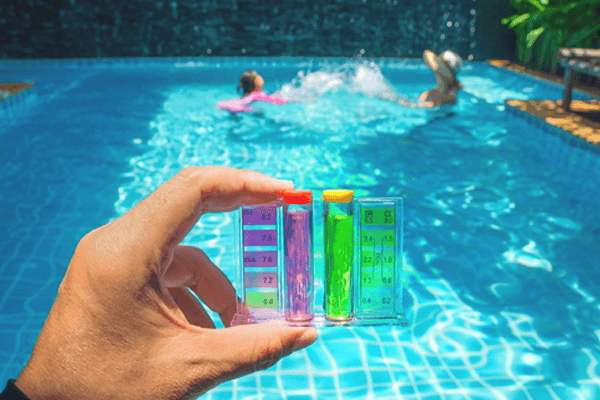
. The additional Chlorine from the Shock and the Shock Oxidizer. Then add a Shock Oxidizer to break up the Combined Chlorine CC also known as Chloramines. When this supplement is used swimmers can usually enter the pool again after approximately 15 minutes.
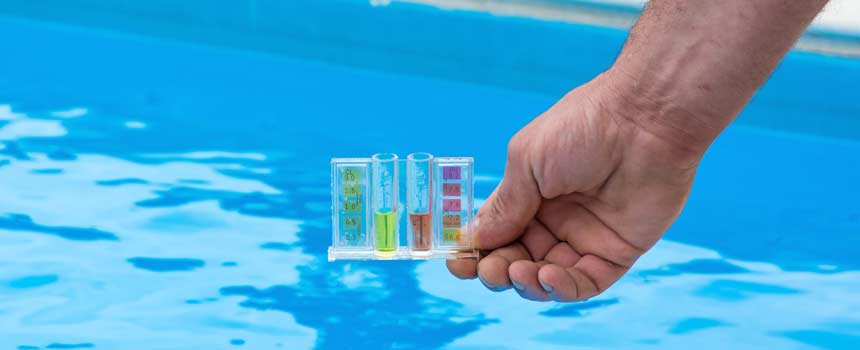
Theres a lot of science involved in shocking a pool. You test after Sundown and again before sunrise to find out. Total Chlorine - Free Chlorine x of gallons10000 x 2 amount of shock to add.
High levels of the wrong chemicals can cause water to turn cloudy or milky after shock. You cannot shock a pool now and then. We recommend using a non-chlorine oxidizing shock until your free and total chlorine reads the same.
Whatever it is the chemicals must be balanced before shocking. Evening or night is the best time to shock the pool. Non-chlorine shock can be used as a supplement instead of normal pool chemicals.
Heres a quick crash course when it comes to pool shock. Click to see full answer. If it is low you will use a chlorinated shock.
In the two weeks Ive added a lot of stabilizer shock liquid chlorine bags of salt and calcium hardness. This is because the sanitizing compound hypochlorous acid HOCl quickly dissociates in. Balance Your Swimming Pool Water in 7 Easy Steps.
As a rule you will need to raise free chlorine to 10 times your combined chlorine to hit what is known as break point Therefore it is good to deal with combined chlorine while it is still small. Not having enough chlorine in your swimming pool will also cause the little bit of chlorine thats in there to be used up faster too. The first step in shocking the pool is to test the water and calculate the current ratio.
If your total chlorine level is high you will use a non-chlorine shock. What Is Pool Shock. Thats why its best to use a low pH range somewhere between 72 and 74 when shocking your pool.
Ive ran my chlorinator at 90 for about a week boosting twice. Combined Chlorine As the name suggests this type of chlorine has been combined with. Its the active chlorine that kills bacteria algae and other harmful things around the pool.
Not all day over the course of 24 hours. If your chlorine levels are low a chlorinated shock is required. Non-chlorine shock oxidizes the water restoring the balance and making it cleaner.
The most important part about adding a shock treatment to your pool is making sure the sun cannot destroy the chlorine. We typically see more pools with a high demand for chlorine during spring opening season. Free Chlorine This is actually the one that works in sanitizing the pool.
If your total chlorine level is high you will use a non-chlorine shock. The word free refers to the purity of the chlorine itself which hasnt been combined with the contaminants. Run the pool filter for 8 hours 24 hours for a cloudy pool.
PH is staying good at 72-74. Add a clarifier or flocculant in the pool then start your filtration and let it run until the color of the water has become clear again. Shock Your Pool.
If theres not enough chlorine in your pool super-chlorinate the water with a chlorine-based pool shock Power Powder Plus 73 or Chlor Brite to get it back on track. If the combined chlorine is 07 ppm you should raise the free chlorine to about 7 ppm. As a rule you will need to raise free chlorine to 10 times your combined chlorine to hit what is known as break point.
Shocking depletes combined chlorine and increases free chlorine. Therefore you should let it run overnight. To find the individually combined chlorine CC level you deduct the FC from the TC.
To determine how much shock to add you will use this formula. You can follow the calculation here to determine the amount of shock you should add to your pool. For instance if your pH level is above 76 then youve wasted half of the chlorine.
Less than 2000 ppm. The effectiveness of chlorine decreases dramatically with rising pH. Test your pool water for metals first to make sure that it isnt a.
The reason is most of the people dont use the pool at this period. After using shock chlorine you will have to wait at least 8 hours before entering the pool. Our shock procedure is sustained until all those criteria you read about are met.
Best Time To Shock A Pool To Raise Free Chlorine. Shocking after parties or other unexpected contaminations is highly recommended to keep the water sanitized. Another method of breaking chlorine lock is shocking your pool.
Therefore it is good to deal with combined chlorine while it is still small. Make sure Free Available Chlorine and Total Available Chlorine levels stay within the. Bring your chlorine levels to 20ppm or three times higher than the current levels.
A nice alternative is a non-chlorine-based shock. Shock your pool when the Free Chlorine FC is low and Combined Chlorine CC is high to raise the FC level to at least 10 ppm. After adding the shock to the pool wait a few hours and test again.
If you still find it difficult to do the calculation simply raise the free chlorine to 10 ppm and allow it. If its above the ideal range of 72 to 78 chlorine levels are likely to remain low even if the chlorinator is working overtime. As you can see green pool water isnt always caused by algae it can be caused by the actual things that you use to get rid of algae chlorine So the next time your pool water turns green after shocking dont reach for more chlorine thinking that its an algae bloom.
The third kind of granular shock is chlorine-free. The process needs about five to six hours to complete. The over night loss of 10 is to see if something besides the Sun is getting your free chlorine.
Once the operation is complete check your skimmer and your filter and clean them if necessary. You should monitor the pH level to measure the free chlorine FC and total chlorine TC of the swimming pool. Called Potassium Monopersulfate this is a chemical used when you dont want or need chlorine to shock the pool entirely.
Even acid rain and other biomatter getting into your pool will cause free chlorine levels to drop. Always Check the Pool Water Chemistry after Shock Chlorination. Pool shock is a super dose of granular pool chlorine that oxidizes chloramines combined chlorine and kills bacteria in the water.
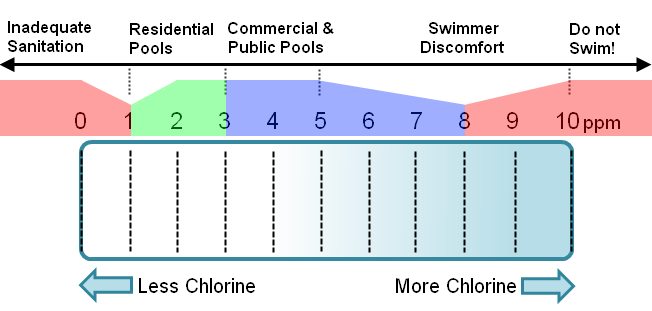
If it is low you will use a chlorinated shock. Things that cause low free chlorine levels are excessive sunlight high bather loads and improper water chemistry. Chlorine Free Chlorine Ideal range.
We recommend that you add a shock treatment just after sunset when the pool will not be hit by the sun anymore. Test the water about an hour after you finish to make any needed adjustments. While it lacks chlorines power it doesnt impact the waters pH and alkaline levels as much and can make the water safe for swimming in under 15 minutes.
Why Is My Pool Always Low On Chlorine Quora

How Do I Correct Bad Chlorine Or Ph Balance Intermountain Aquatech Inc Utah

What To Do If Total Chlorine Is Higher Than Free Chlorine Hot Tubs And Swimming Pool

When To Use A Chlorine Free Shock Oxi Chlorine Free Shock Oxidizer Clorox Pool Spa Youtube
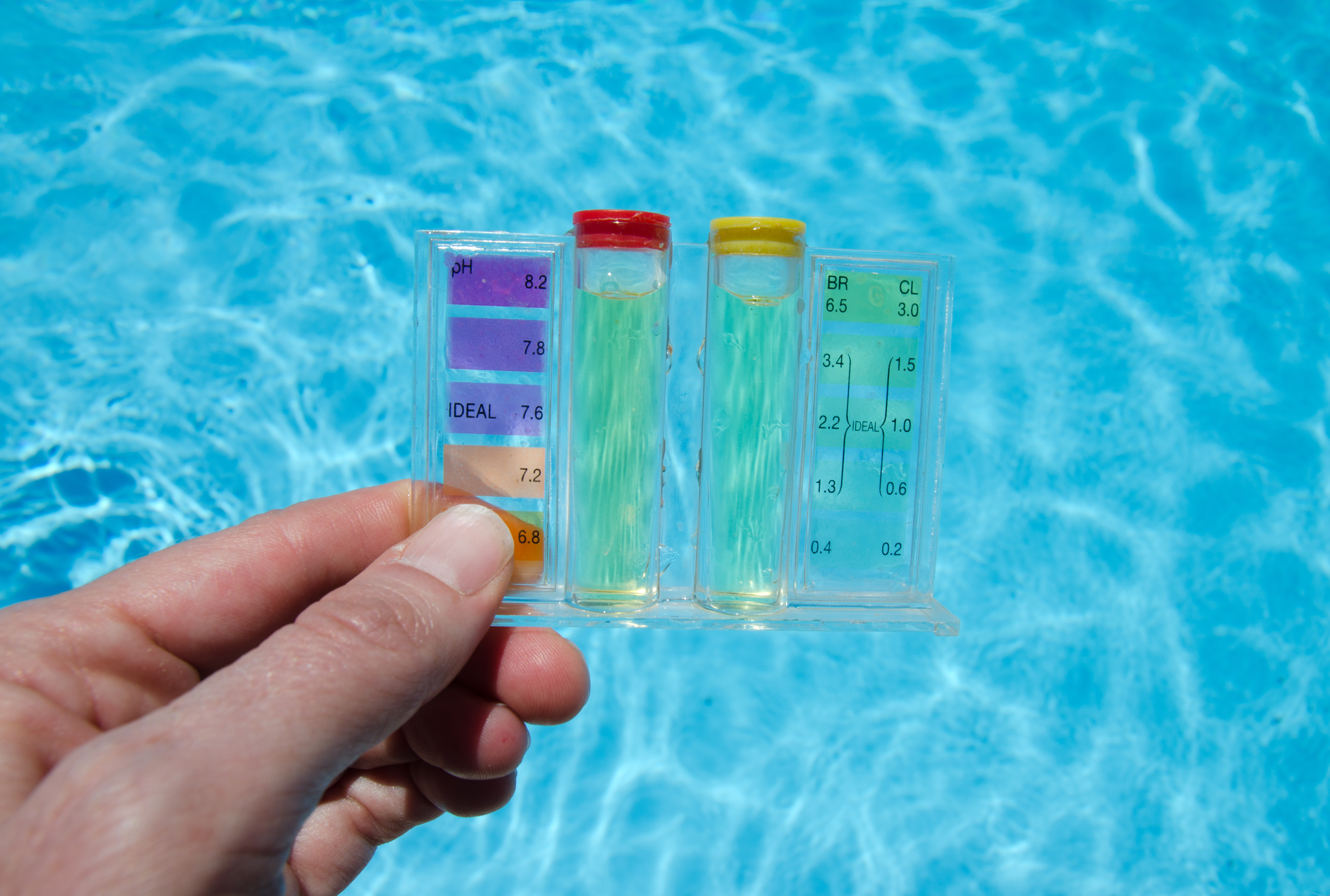
How Often Should You Test Swimming Pool Chlorine Pool Calculator
Can Too Much Chlorine Make Pool Water Cloudy

Fixing Free Chlorine Level Fcl Problems In Saltwater Swimming Pools Thesummerpools Com
How To Raise Free Chlorine In Pool Tips Tricks Included Livingproofmag

Low Chlorine Level In Pool At Level
Too Much Chlorine In Pool The Dangers How To Lower
The Benefits Of Non Chlorine Shock
Raising Swimming Pool Chlorine
What Are Free Chlorine Combined Chlorine And Total Chlorine Pool Calculator
Why Does My Pool Have No Chlorine Reading After Adding Chlorine
Raising Swimming Pool Chlorine
Here S How To Break Chlorine Lock In Your Pool Fast

Under Certain Water Conditions The Free Chlorine Youtube

Chlorine Pool Shock Why When And How

How To Reduce Pool Or Spa Chlorine Levels Intheswim Pool Blog
